
October 23 is the deadline for companies to submit questions about Bermuda’s planned national digital identity platform, with supplier submissions due by 10am on November 27. The government is seeking a single-provider public-private partnership, but the procurement documents do not establish what technology will ultimately be deployed.
The Royal Gazette reports that the request for supplier qualifications is intended to improve the government’s understanding of available technologies, safeguards, legal requirements, operating arrangements and commercial models. The ministry said the future system would be voluntary and would need to accommodate people who may not have access to particular documents, devices or technologies.
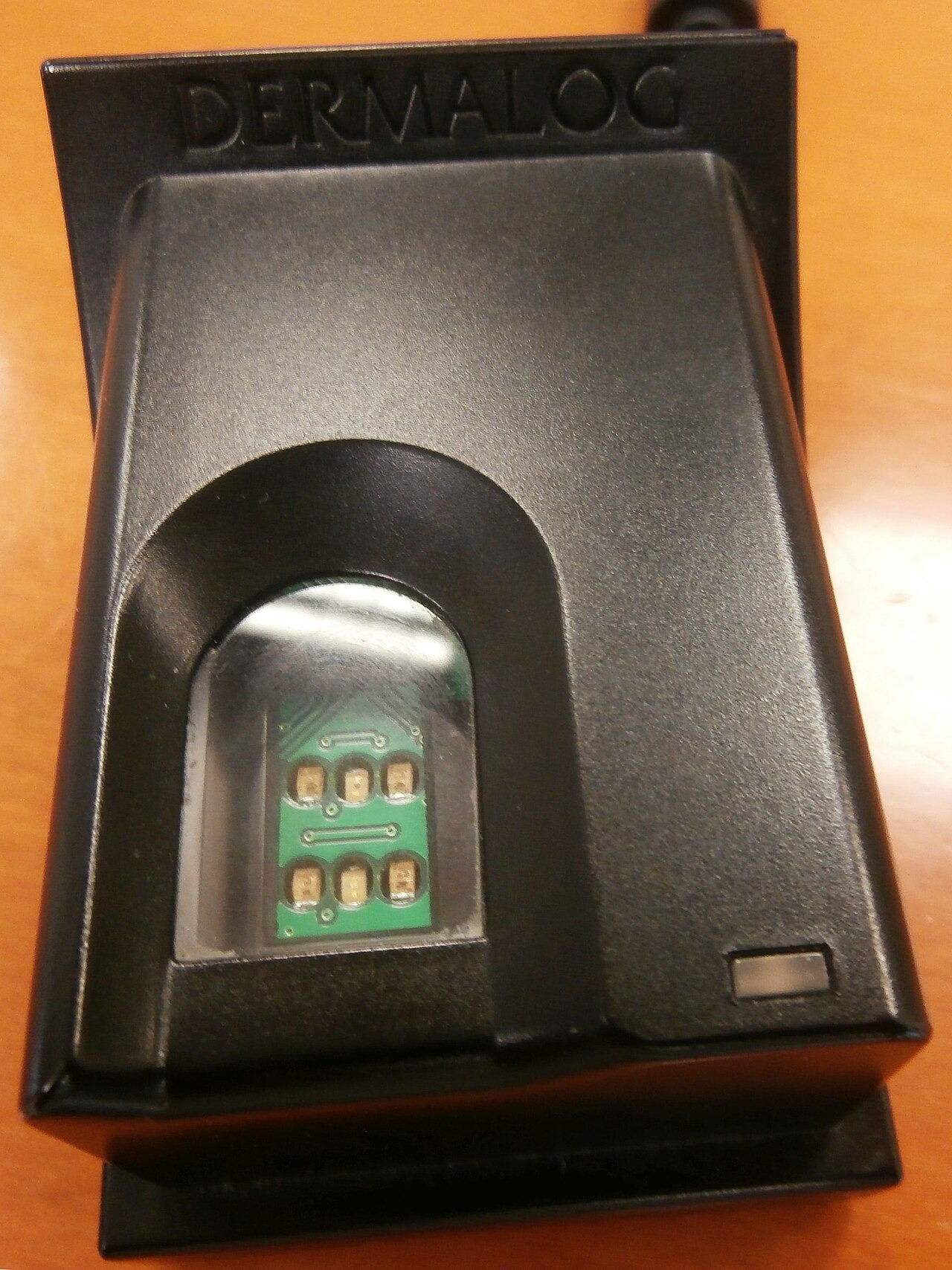
The ministry also said: “No decision has been made on the particular identity-proofing method, level of assurance or combination of technologies that may be required.” Its responses state that different technologies may be considered, but that inclusion of a particular credential functionality in a supplier’s offering would not mean the government had decided to use it. Biometric Update reports that biometrics, chip-enabled physical credentials, a specific credential format, a trust framework and a digital wallet model remain undecided.
Biometric Update also reports that immigration work-permit processes are being considered as a possible first use case, while expansion beyond that would require further assessment. The report says questions about credential ownership, custodianship and the relationship with Bermuda’s existing legislative framework also remain unresolved.
From an adoption perspective, those decisions will shape the evidence applicants must provide and the access conditions for any eventual service; the sources do not establish how the final system would protect credentials or which services would become operational. The government says any approach would require consideration of necessity, proportionality, privacy, security, accessibility, data retention and applicable legal requirements.
The scoring model assigns 10 per cent to the technical and architectural solution and 10 per cent to security, privacy and fraud management, with a minimum threshold of 6 in each category. Local benefits carry 30 per cent, while relevant experience and capability carries 25 per cent. The documents do not establish whether biometrics will be used or when a digital ID service could become operational.