
Asylon Robotics is combining automated drones, ground robots and a 24/7 monitoring center into a managed security service for large facilities, according to an interview with CEO Damon Henry published by DroneLife.
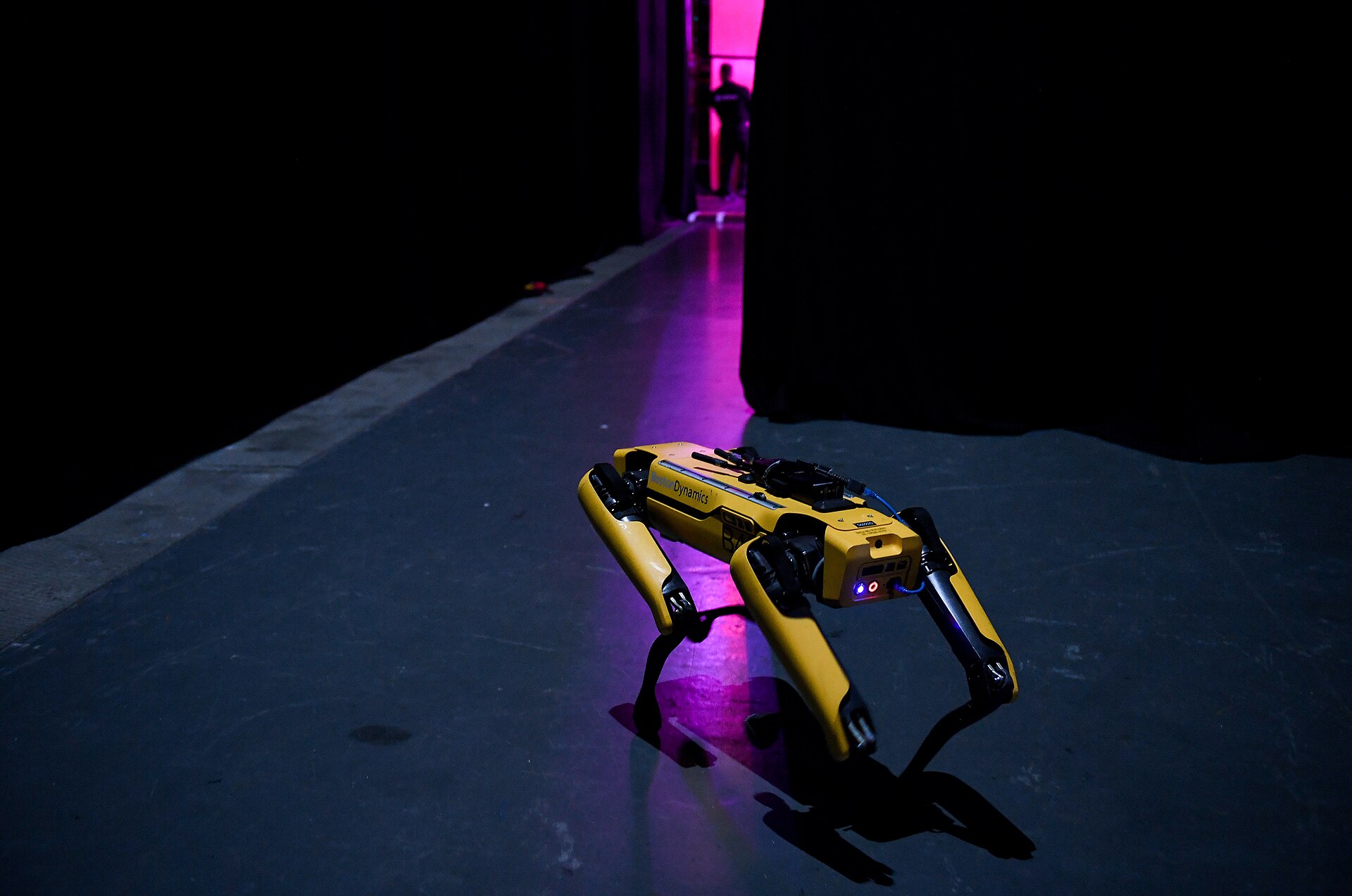
The Philadelphia company says its deployments use proprietary Guardian drones, automated charging stations and ground robots based on Boston Dynamics’ Spot platform. The systems are intended for sites including military installations, water-treatment plants, power substations and stadiums. Asylon says robots typically conduct 30-minute patrols each hour, sending video and other data to its software platform.
The company’s approach is notable because it sells a service rather than the robots themselves. Asylon deploys and maintains the equipment, while operating it through a remote center in Philadelphia. Henry told DroneLife that the aim is to give customers security data and analytics without requiring them to become robotics or drone operators.
The system is designed to mix vehicle types according to site conditions. Henry said drones may be more suitable for large, remote areas, while ground robots can be useful where foliage or other obstacles restrict aerial visibility. The vehicles can share information, and one can reportedly trigger the launch of another. Asylon says all feeds are presented through a common platform.
The Guardian drone system uses weatherproof automated bases that swap batteries. Henry said the aircraft can fly for about 40 minutes before returning to its hub, where a robotic arm replaces the battery in roughly two and a half minutes. The company also says its software can flag anomalies such as people, vehicles or animals in restricted areas, unattended bags and damaged fencing.
Those capabilities remain company-reported in the available material. The article does not provide independent testing, false-alarm rates, detection ranges, response times, system-availability data or pricing. It also does not detail how video is retained, who can access it, or how deployments address privacy and public-space monitoring.
Asylon says it employs FAA-certified pilots and is authorized to conduct beyond-visual-line-of-sight operations in some situations. Regulatory authorization is therefore described as site- or situation-dependent, rather than as a blanket capability for every deployment.
The article also reports that the U.S. Air Force awarded Asylon a $2.34 million Small Business Innovation and Research Phase III contract in July for Guardian drones, robot dogs and command-and-control software at Warner Robins Air Logistics in Georgia. The stated use case includes collecting imagery of aircraft, creating digital twins and flagging possible inspection concerns; the report does not establish the system’s operational results.
Asylon says its customers include Ford, Citizens Bank’s Rhode Island campus and Mercedes-Benz Stadium in Georgia. Henry attributed zero exterior theft and vandalism at the stadium to the company’s presence, but that claim was not independently verified in the source material and no comparison period or supporting data was provided.